Hi Reader,
Welcome to this edition of the Maps of the Mind newsletter.
🍄 I saw the notes before I heard them
In 2017, not long after I got back from Latin America, I had a session on my own at a friend’s house in Sheffield.
I’d been reading James Fadiman and Leo Zeff work on psychedelic protocols, and I based a lot of the session on them and the way the modern research is done. Alongside my own rituals (tidying the room, burning some sage, opening with a prayer) I used headphones and an eye mask for the first time.
A short time after dosing, I put the music on and closed my eyes.
At one point, before I even heard the notes, I saw them. Objects in colourful patterns, flying through wide open space, then exploding as the sound actually reached my ears.
My perception opened wide, beyond me. I lay there in awe, with a sense of liberation and wonder.
Later, at some point, I’m still not sure how, I left. I dissolved into the energy of the universe.
The music was a big part of it. It simultaneously held the experience, and it helped move it along. I don’t know what would have happened without it.
It was the experience I’d been looking for through years of travelling. And looking back, the music wasn’t in the background. It was the way in.
All the research that gets talked about is built on sessions like that. The psilocybin trials for depression. The studies with people facing end-of-life anxiety after a cancer diagnosis. The ones where people rated their session among the most meaningful experiences of their lives.
That’s psychedelic-assisted therapy. Not just the substance.
And the high-dose sessions in those trials look a lot like what I did in Sheffield. Lying down. Eye mask on. Headphones. A playlist chosen in advance, there to support and guide the experience.
The music is part of the treatment. One study from Imperial College London called it “the hidden therapist”. The playlists used at Johns Hopkins and Imperial, and the ones still used in sessions today, are built to follow a session’s shape, from the come-up through the peak to the return.
I think of psychedelics as something that can synergise with whatever surrounds them. Take them in nature, and nature can become the therapy. Take a smaller dose in a therapist’s room, and the talking opens up. That’s what psycholytic therapy was built on.
Lie down with your eyes closed and good music in your ears, and the music does a lot of the work.
None of this takes away from everything else. The intention, the setting, who’s with you, the integration afterwards: they all matter.
But the music is a key part, and it’s often the part that gets the least thought. It gets sorted on the day, if at all.
It isn’t just the soundtrack. Often, it’s the way in.
If you’re wondering why I’ve been writing so much about music lately: in a couple of weeks I’m launching the new version of Session Soundtracks, the library of session playlists I’ve been putting together. More on that soon.
A reflection for you today:
👉 What music has been with you in your biggest moments, on a session or off one? Did you choose it, or did it find you? And besides the music, what else has been key for you in those experiences?
What did this bring up for you? I hope you'll reply and tell me about it.
📚 Microdose of Wisdom
“The man who comes back through the Door in the Wall will never be quite the same as the man who went out.”
— Aldous Huxley, The Doors of Perception
🎵Psychedelic Supplements
In case you've missed it. Psychedelic Therapy Playlist 1, by Mendel Kaelen, the researcher behind the music in Imperial’s psilocybin trials.
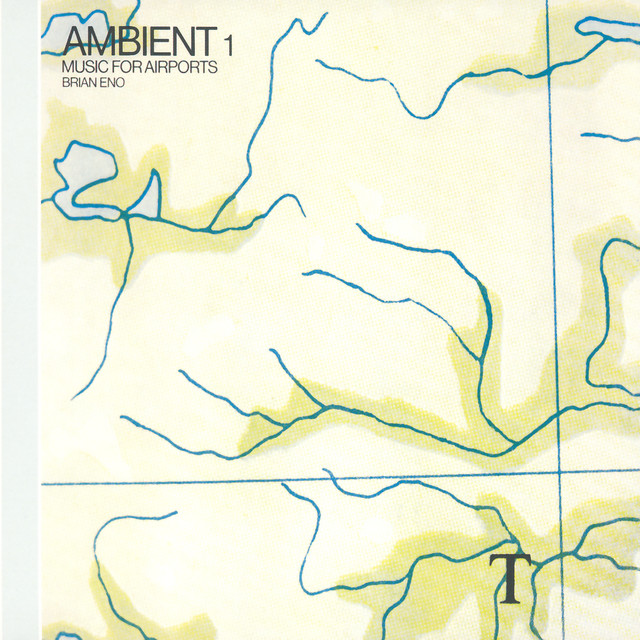
Brian Eno, Ambient 1: Music for Airports. Some of what I had on in Sheffield.
New Fontaines. Poppy, dreamy, mellow

And some David S. Pumpkins for your comedy Halloween fix

❤️ Love and mettā to you all,
John
John Robertson
Psychedelic Facilitator & Educator
Webdelics' Top 100 Psychedelic Thought Leaders and Content Creators 2025
Maps of the Mind
Forwarded this email by a friend and would like to read more?
Subscribe here
Enjoy my newsletter and want to show your appreciation?
Buy me a coffee :)
Talk with me
If you’ve got a session coming up and you’d like a hand working out what to bring into it, this is exactly what my one-off calls are for. I currently have some availability; you can book one here